Making tax digital: The complete guide for sole traders
- 03 June 2026

If you run your own business as a sole trader, a significant change to how you report your income to HMRC is already under way.
Making Tax Digital (MTD) for income tax is not a future proposal. The first deadline has passed. If your qualifying income exceeds £50,000, you were required to comply from 6 April 2026. If you’re earning over £30,000, April 2027 is coming fast.
Here’s what you need to know – and what you need to do.
What is Making Tax Digital for income tax?
Making Tax Digital is HMRC’s programme to move the UK tax system online. For sole traders, it means replacing the traditional annual self assessment tax return with a new system of digital records and quarterly updates submitted directly to HMRC through approved software.
The goal is to reduce human error, improve accuracy and give HMRC a clearer picture of your business finances in real time. For sole traders used to handing over a shoebox of receipts at the end of the tax year, this is a fundamental shift.
Who is affected, and when?
MTD for income tax is being introduced in phases based on total gross income from self-employment and property:
| Qualifying income (gross) | Mandatory from |
| Over £50,000 | 6 April 2026 |
| Over £30,000 | 6 April 2027 |
| Over £20,000 | 6 April 2028 |
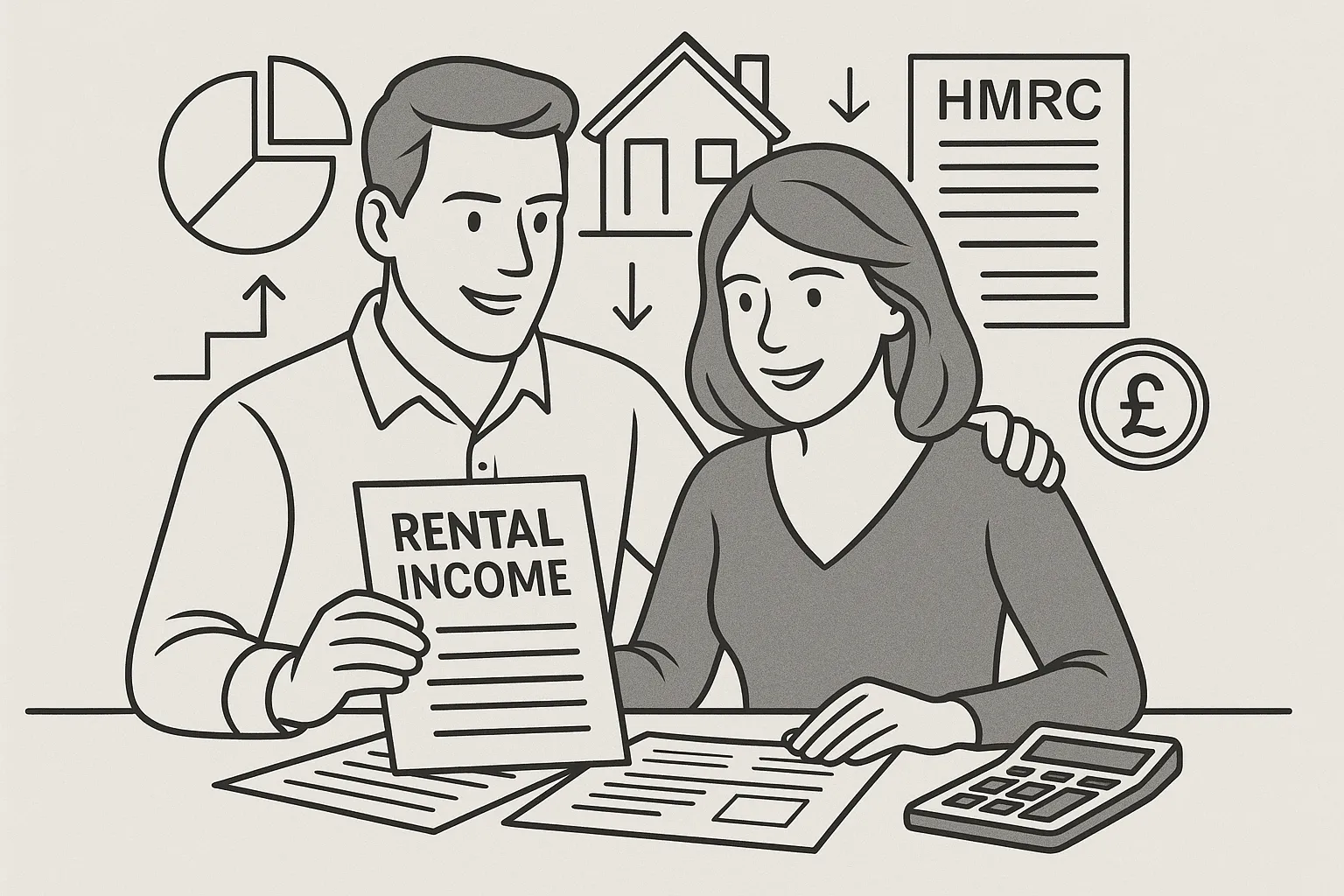
Qualifying income means gross income before expenses from self-employment and property. It can come from more than one source – for example, £27,000 from self-employment and £25,000 from rental income would create £52,000 of qualifying income.
HMRC will assess your combined gross income from all self-employment and property sources using your self assessment tax return for the previous tax year.

What do sole traders actually have to do?
Under MTD requirements, you will need to:
- Keep digital records of your income and expenses throughout the tax year
- Submit quarterly updates to HMRC via MTD-compatible software (four times per year)
- File a final declaration at the end of the tax year, replacing your annual self assessment tax return
The new final declaration will replace the current self assessment tax return and will automatically include the transactions reported in the quarterly submissions.
Paper records will no longer meet HMRC’s requirements. Spreadsheets that don’t connect directly to HMRC’s systems won’t be sufficient either.
Does Making Tax Digital apply to me if I earn under £50,000?
If your total income from self-employment and property is currently below £50,000, you are not yet required to use MTD. You will still file a self assessment tax return as normal. However, the threshold lowers to £30,000 from April 2027, and HMRC has indicated a further reduction to £20,000 is planned before the end of the current parliament. If your income is near either threshold, now is the time to prepare.
Why paper records won’t cut it any more
Many tradespeople have managed their tax records manually for years – and it has worked well enough. But MTD requires something different.
Under the new system, your tax records must be kept in digital software that links directly to HMRC. That means recording income and expenses as they happen, not just at the end of the year.
The benefits are real, though. Digital software reduces the risk of human error, makes quarterly updates straightforward and gives you a clearer view of your business finances throughout the year – not just when the tax bill arrives.
HMRC estimates that around 4.2 million self-employed individuals and landlords will eventually fall within scope of MTD for income tax. For the trades sector – where sole trader businesses are the norm – this affects a very large number of people.
Choosing the right software
Not all accounting software is MTD-compliant. You will need a digital tool that is approved by HMRC and capable of submitting quarterly updates directly.
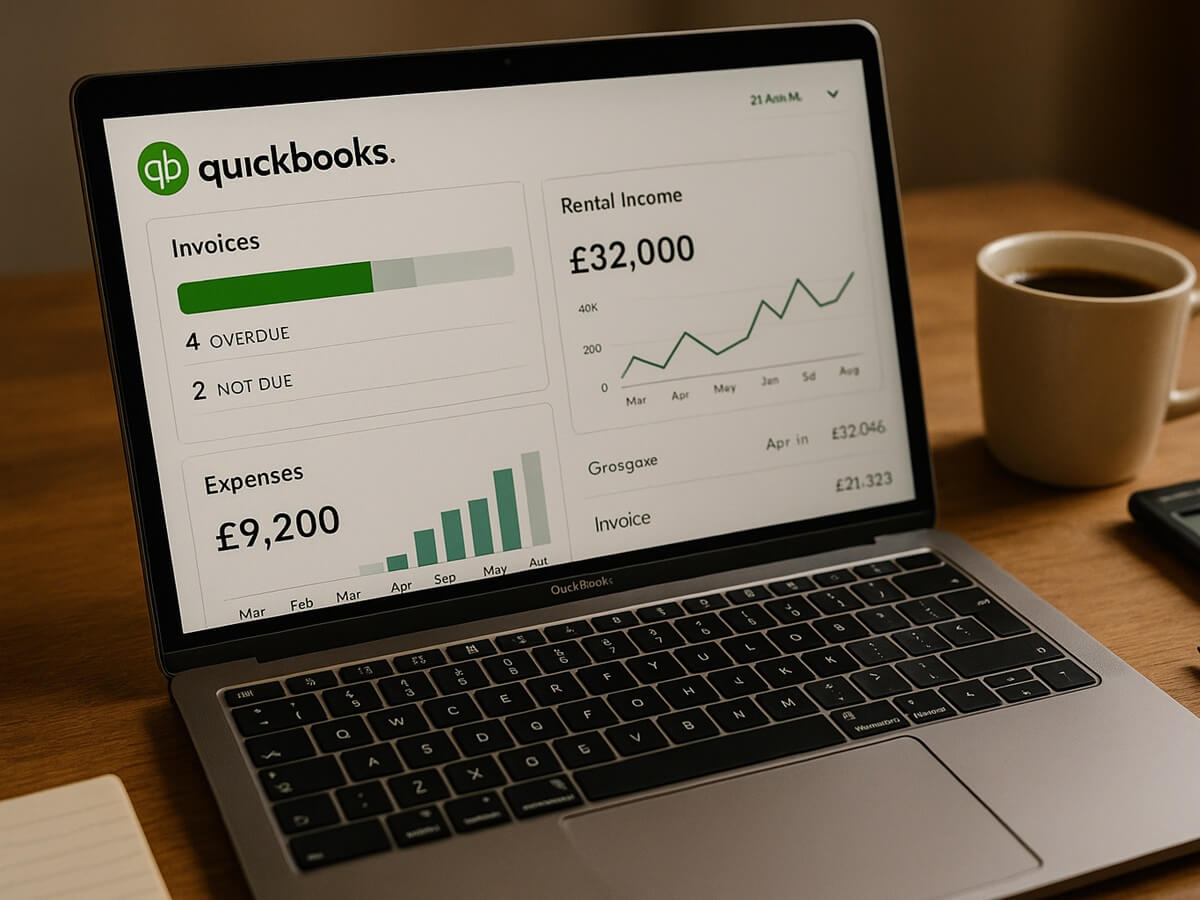
At SBX Accountants, we work with QuickBooks – one of the UK’s leading MTD-compatible platforms. Our team includes Advanced Certified QuickBooks Advisors who can help you set up the software, connect it to your bank account and ensure your digital records are structured correctly from day one.
Whether you’re new to digital tools or already using basic spreadsheets, QuickBooks makes it straightforward to record your income and expenses, run tax calculations and keep on top of quarterly updates without it taking over your week.
Key steps to take now
If MTD applies to you – or will do shortly – here’s what to do:
- Check your qualifying income for the 2024/25 and 2025/26 tax years
- Register for MTD via your Government Gateway account before your mandation date
- Choose MTD-compatible software and get it set up before your first quarterly submission
- Start keeping digital records of all income and expenses going forward
- Speak to your accountant to make sure your setup is correct and compliant
A quick summary
- MTD for income tax is live from April 2026 for sole traders earning over £50,000
- The threshold drops to £30,000 from April 2027
- You must keep digital records and submit four quarterly updates per year
- Annual self assessment tax returns will be replaced by a final digital declaration
- MTD-compatible software – such as QuickBooks – is required
Get ready with SBX Accountants
If you’re unsure whether MTD applies to your sole trader business, or you need help choosing and setting up the right software, SBX Accountants can help.
We support sole traders with everything from bookkeeping and self assessment to full MTD set-up via QuickBooks.
Get in touch or drop us a message on WhatsApp to speak with one of our team today. Don’t leave it until the deadline is on top of you.